
Modern vehicles are equipped with technology designed to help drivers recognize hazards, maintain safe distances, and respond to changing road conditions.
Features such as automatic emergency braking, lane departure warnings, blind spot monitoring, and adaptive cruise control rely on cameras, radar sensors, and electronic systems.
After a collision, these components may require inspection, repair, or recalibration—even when the exterior damage appears minor.
For drivers in Scottsdale, Tempe, and Phoenix, understanding ADAS calibration after a collision is an important part of making informed vehicle repair decisions.
What Is ADAS?
ADAS stands for Advanced Driver Assistance Systems.
These systems use sensors, cameras, radar, and computer modules to provide driving assistance and, in certain situations, intervene to help reduce collision risks.
Common ADAS features include:
- Automatic Emergency Braking (AEB)
- Adaptive Cruise Control (ACC)
- Lane Departure Warning (LDW)
- Lane Keeping Assistance (LKA)
- Blind Spot Monitoring (BSM)
- Forward Collision Warning (FCW)
- Parking Assistance Systems
The exact features depend on the vehicle’s make, model, year, and equipment.
Although these systems can support safer driving, they do not replace the driver’s responsibility to remain attentive and maintain control.
What Is ADAS Calibration?
ADAS calibration is the process of checking and, when required, adjusting the alignment or operation of certain sensors and cameras according to vehicle manufacturer specifications.
These components must be positioned and functioning correctly to interpret information about the surrounding environment.
Even small changes in sensor alignment can potentially affect system performance.
Calibration requirements vary by vehicle and the repairs performed.
Why Might ADAS Calibration Be Necessary After a Collision?
A collision can affect sensor alignment or related components in several ways.
1. Bumper Damage
Many vehicles have radar sensors mounted behind or near their bumpers.
An impact may damage sensor brackets, mounting points, or surrounding structures.
Even if the bumper cover appears intact, the sensor position may have changed.
2. Windshield Replacement
Some vehicles use forward-facing cameras mounted near the windshield.
Replacing the windshield may require camera calibration, depending on the manufacturer’s procedures.
3. Suspension or Wheel Alignment Repairs
Certain ADAS systems depend on vehicle geometry and steering-related inputs.
Changes involving suspension, ride height, or wheel alignment may trigger calibration requirements.
4. Structural Collision Repairs
Damage affecting the vehicle’s structure can alter the positioning of electronic components.
When structural repairs are performed, technicians must review the manufacturer’s procedures to determine which inspections and calibrations are required.
5. Sensor or Camera Replacement
Replacing an ADAS component may require programming, calibration, or other procedures before the system can operate as intended.
What Happens If ADAS Sensors Are Not Properly Calibrated?
An incorrectly aligned or malfunctioning sensor may provide inaccurate information to a driver assistance system.
Depending on the vehicle and affected feature, this could contribute to:
- Incorrect distance measurements
- Unexpected warning messages
- Unavailable driver assistance features
- Delayed or inappropriate system responses
- Diagnostic trouble codes
- Reduced reliability of safety-related functions
Not every calibration problem produces a visible dashboard warning.
For this reason, following manufacturer repair procedures is important.
Static vs. Dynamic ADAS Calibration
ADAS calibration procedures generally fall into two categories.
Static Calibration
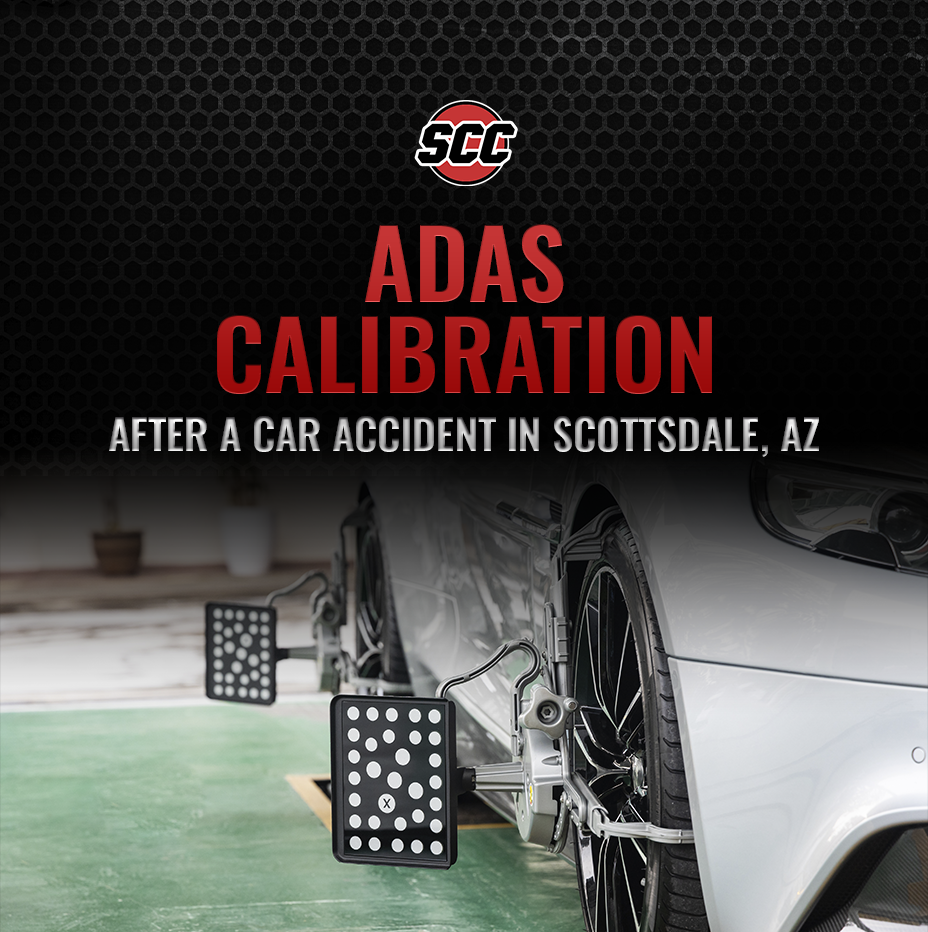
Static calibration is performed while the vehicle remains stationary.
Depending on the manufacturer, the process may require specialized targets, measuring equipment, diagnostic tools, and controlled workshop conditions.
Dynamic Calibration
Dynamic calibration may require driving the vehicle under specified conditions.
The vehicle’s cameras or sensors use information gathered during the drive to complete the procedure.
Some vehicles require both static and dynamic calibration.
The appropriate method depends on the manufacturer and system.
Does Every Car Accident Require ADAS Calibration?
No. Not every collision automatically requires every ADAS system to be recalibrated.
The need for calibration depends on factors such as:
- Vehicle make and model
- Type and location of damage
- Components removed or replaced
- Structural repairs performed
- Wheel alignment changes
- Manufacturer requirements
A qualified repair facility should consult the applicable repair procedures rather than assuming calibration is always or never necessary.
What Is the Difference Between Diagnostic Scanning and ADAS Calibration?
Diagnostic scanning and calibration serve different purposes.
Diagnostic scanning uses electronic equipment to communicate with vehicle control modules and identify certain stored fault codes or system issues.
ADAS calibration verifies or adjusts specific sensor or camera configurations according to manufacturer procedures.
A diagnostic scan does not automatically confirm that every sensor is correctly calibrated.
Similarly, calibration does not replace a comprehensive inspection of damaged components.
Both processes may be important during collision repair.
How Long Does ADAS Calibration Take?
The time required depends on the vehicle, the systems involved, and the calibration procedures.
Some procedures can be completed relatively quickly, while others require additional preparation, specialized equipment, or controlled driving conditions.
Repair facilities may also need to complete structural, suspension, or alignment work before calibration can begin.
For an accurate timeline, ask the repair facility about the procedures required for your specific vehicle.
Can You Drive a Vehicle With an ADAS Warning Light?
An ADAS warning may indicate that a driver assistance feature is unavailable or malfunctioning.
However, it does not always establish whether the entire vehicle is safe to drive.
After a collision, a warning light should be assessed along with the vehicle’s overall condition.
If the accident affected braking, steering, suspension, or other critical safety components, avoid driving until a qualified professional evaluates the vehicle.
Never assume that a driver assistance feature is functioning correctly simply because no warning light is displayed.
Why Professional Collision Repair Matters for Modern Vehicles
Collision repair now involves much more than restoring exterior panels.
Modern repair processes may require structural measurements, electronic diagnostics, component replacement, and manufacturer-specific calibration procedures.
At Scottsdale Collision Center, our services include auto body repair, frame repair, and scanning and calibration.
Our team works with vehicle damage assessments and repair planning to help identify the procedures required for the repair.
We serve drivers in Scottsdale, Tempe, Phoenix, and surrounding communities.
Frequently Asked Questions About ADAS Calibration
Does my car need ADAS calibration after a minor accident?
Possibly. Even a relatively minor impact can affect certain sensors or mounting components. The need for calibration depends on the vehicle and manufacturer’s procedures.
Is ADAS calibration the same as wheel alignment?
No. Wheel alignment adjusts the positioning of the wheels, while ADAS calibration addresses specific cameras, sensors, or related systems. Some vehicles require ADAS calibration after certain alignment procedures.
Can ADAS calibration be skipped if there are no warning lights?
Not necessarily. Some calibration requirements exist even when no warning light appears. Manufacturer procedures should determine whether calibration is necessary.
Does insurance cover ADAS calibration after an accident?
Coverage depends on the policy, circumstances of the accident, and the insurer’s claim determination. Required calibration procedures may be included in a collision repair estimate.
Can any repair shop perform ADAS calibration?
Calibration may require specialized tools, equipment, training, and access to manufacturer procedures. Some repairs involve qualified outside service providers.
How do I know whether my vehicle has ADAS?
Check your owner’s manual or vehicle equipment information. Features such as adaptive cruise control, lane keeping assistance, and automatic emergency braking are common examples.
Collision Repair and ADAS Services in Scottsdale, Arizona
Your vehicle’s appearance is only one part of a complete collision repair.
Electronic systems, sensors, and structural components also deserve attention when affected by an accident.
Scottsdale Collision Center offers collision repair and scanning and calibration-related services for drivers throughout Scottsdale, Tempe, and Phoenix.
Our team can help explain the damage assessment process and identify appropriate repair procedures for your vehicle.
Request Your Free Collision Repair Estimate
Was your vehicle involved in an accident?
Contact Scottsdale Collision Center to discuss your vehicle’s damage and learn about the repair process.
Call (602) 777-7921 or request a Free Collision Repair Estimate online.
Our team is ready to help you take the next step toward getting your vehicle repaired.





Leave A Comment