October 15, 2024

When you’re driving, keeping yourself and your loved ones safe is the ultimate goal. Hydroplaning in a car is one of those sneaky hazards that can surprise even the most experienced drivers, especially during a downpour. Knowing what hydroplaning is and how to steer clear of it can make those rainy days less stressful. In this article, we’ll explore what causes hydroplaning and share tips to help you steer wet roads safely.
What Is Hydroplaning?
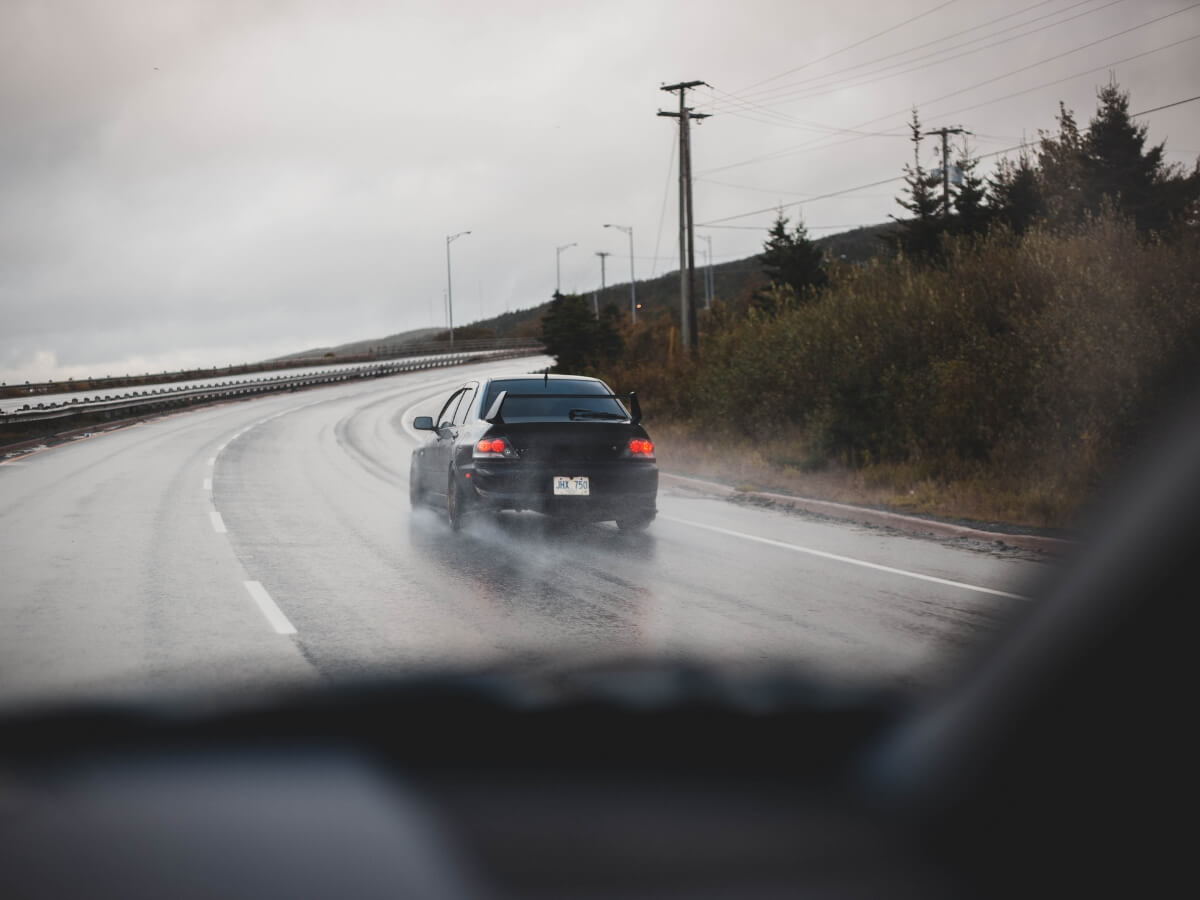
Hydroplaning happens when your vehicle’s tires can’t grip the road because a layer of water builds up between the tires and the surface. Instead of gripping the surface, your tires ride on top of the water, making steering and braking ineffective. This loss of traction can lead to a feeling of floating, where you have little to no control over your vehicle.
Hydroplaning is typically caused by a combination of factors such as water accumulation, tire condition, and speed. It can happen at any speed, but it’s most likely to occur when you’re driving too fast for the conditions.
How Hydroplaning Is Typically Caused
Knowing what causes hydroplaning can help you identify when you might be at risk.
- Water Accumulation: When it rains heavily, water can pool on the road. Hydroplaning can happen when water on the road is too deep for your tire treads to clear.
- Tire Condition: Worn-out tires with insufficient tread depth are less effective at channeling water away, increasing your chances of hydroplaning. Regularly inspecting your tires is essential.
- Speed: Driving too fast on wet roads significantly raises the likelihood of hydroplaning. The faster you go, the more water your tires have to manage.
- Road Surface: Certain road types, like concrete, can create grooves that trap water. In contrast, smooth surfaces may not have the same drainage, leading to quicker hydroplaning.
Signs You’re Hydroplaning
Recognizing the signs of hydroplaning can help you react appropriately and potentially avoid hydroplaning car accidents. Common indicators include:
- Loss of Steering Control: If your car feels like it’s drifting or sliding, this could mean you’re hydroplaning. It’s crucial to remain calm and avoid sudden movements to regain control.
- Increased Noise: A sudden change in road noise is another sign of hydroplaning. If the sound of your tires changes, it may indicate that they’re losing traction with the wet surface.
- Vibration: You might notice a vibration through the steering wheel as your tires struggle for grip. This sensation can signal that your vehicle is not maintaining contact with the road properly.
How to Avoid Hydroplaning in a Car
Now that we understand the causes and signs let’s explore practical strategies to avoid hydroplaning:
Reduce Speed
One of the simplest yet most effective ways to prevent hydroplaning is to slow down when driving in wet conditions. Lower your speed, especially during heavy rain, to give your tires more time to grip the road. Keeping your speed in check can significantly reduce your risk of losing control.
Maintain Your Tires
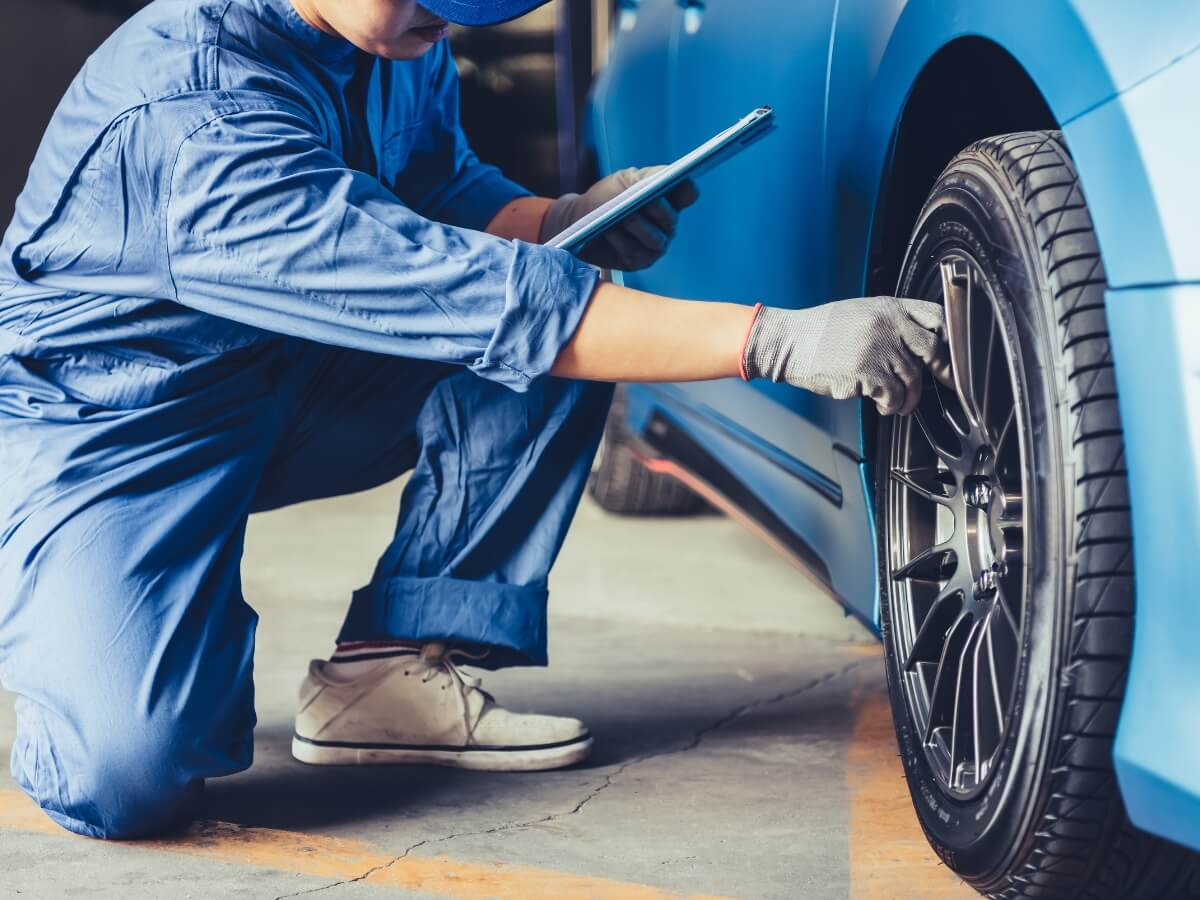
Regularly check your tire tread depth to ensure proper grip on wet roads. You can use a simple penny test: insert a penny into the tread with Lincoln’s head down; if you can see the top of his head, it’s time for new tires. Additionally, make sure your tires are properly inflated, as under-inflated tires can compromise your traction.
Avoid Sudden Movements
Quick turns or hard braking can make your car slip on wet roads. Instead, make gentle, gradual movements to maintain control of your vehicle. Easing off the gas pedal rather than slamming on the brakes helps your tires regain traction without abrupt changes.
Stay in the Tracks of Other Vehicles
If you’re behind another car, follow in their tire tracks to avoid water. This practice can help you maintain better traction and reduce the amount of water your tires encounter. However, always keep a safe distance to allow for any sudden changes from the vehicle in front.
Use Your Headlights
Turn on your headlights in the rain to improve your visibility and make it easier for others to see you. Low beams are important, as high beams can reflect off the rain and create glare, making it harder to see. Be sure to check your headlights and taillights often to ensure they are clean and functioning properly.
Know When to Pull Over
If the rain becomes too heavy and visibility drops significantly, find a safe place to pull over until conditions improve. Choose a well-lit area away from traffic, such as a rest stop or parking lot, to wait it out. Always turn on your hazard lights to alert other drivers of your presence while you’re stopped.
What to Do If You Start Hydroplaning
Despite your best efforts, you may still find yourself hydroplaning in a car. Here’s how to respond:
Stay Calm
Panic can lead to poor decisions that make the situation worse. Take a deep breath and remember that staying calm is essential. Focus on the road ahead and keep your hands steady on the wheel.
Staying calm will allow you to think clearly and respond correctly.
Avoid Sudden Movements
Do not slam on the brakes or jerk the steering wheel, as these sudden actions can exacerbate the problem. Instead, gently ease off the gas pedal to help your tires regain traction gradually. It’s essential to allow your vehicle to settle back onto the road without causing further instability. Remember, smooth and controlled movements are crucial in regaining control.
Steer Straight
If your car starts to drift, gently steer in the direction you want to go. This small adjustment can help guide your vehicle back on track without overreacting. Avoid overcorrecting, as this can lead to a dangerous spin that may put you and others at risk. Trust your instincts and let the vehicle respond to your subtle steering input.
Wait It Out
As you slow down, you’ll eventually regain contact with the road, which is a relief in a hydroplaning situation. Hold off on making any sharp turns or accelerations until you feel that connection again. This moment is crucial for ensuring that you maintain control of your vehicle. Once you regain contact with the road, you can continue driving more safely.
Hydroplaning Car Accidents
Hydroplaning can lead to serious car accidents, often resulting in injuries or significant vehicle damage. Understanding the risks associated with hydroplaning can motivate you to take preventive measures seriously. If you ever find yourself in a hydroplaning incident and require assistance, consider seeking professional help for auto collision repair.
Staying Safe from Hydroplaning Risks
Hydroplaning is a hidden danger that every driver should understand to stay safe on wet roads. By recognizing the signs and knowing how to prevent it, you can maintain better control of your vehicle and protect yourself and others. Always prioritize your safety by keeping your tires in good condition and adjusting your speed according to the weather. If your windshield or windows are damaged, consider timely auto glass repair to ensure clear visibility in adverse conditions. Stay vigilant, drive cautiously, and remember that being prepared is the best way to avoid accidents.