March 14, 2025

We’ve all been there—you’re turning into a parking lot, making a tight turn, or maybe just misjudging a curb’s height, and suddenly, thud! Your car hits the curb. It might seem minor, but even a small curb check can lead to costly repairs. Hidden tire, alignment, and suspension damage can quickly add up, reducing performance, safety, and resale value. Here’s why you should never ignore it and what to do if it happens to you.
1. Hidden Tire Damage Can Lead to Dangerous Blowouts

When your car hits a curb, your tires take the first and most direct hit. You might not see immediate signs of damage, but even a low-speed impact can cause severe problems beneath the surface. The internal structure of the tire can weaken, leading to dangerous conditions like bulging sidewalls, uneven wear, and even complete tire failure.
How to Spot Tire Damage After:
- Bulging or bubbles on the tire’s sidewall – This is a sign that the internal structure has been compromised. If you see a bubble, replace the tire immediately.
- Slow air leaks or sudden loss of pressure – If your tire keeps losing air afterward, it may develop a small puncture or internal damage.
- Irregular tread wear – Hitting a curb can cause uneven wear patterns, shortening the life of your tires and reducing their grip on the road.
Why It’s a Big Deal:
Driving on a damaged tire increases the risk of a blowout, especially at high speeds. Tire damage from curb impact may not always be visible right away, but internal weakening can lead to failure when you least expect it. If you’ve hit a curb, check your tires immediately and replace any that show signs of damage.
2. Misaligned Wheels Make Driving More Dangerous
Your car’s alignment is what keeps it driving straight and handling smoothly. Even a slight impact from hitting the curb can knock the wheels out of alignment, causing a ripple effect that affects your entire driving experience.
Signs of a Wheel Alignment Problem:
- Your car pulls to one side – If you have to constantly adjust your steering to keep your car moving straight, your alignment is off.
- Steering feels loose or unstable – If your tire keeps losing air afterward, it may develop a small puncture or internal damage.
- Uneven tire wear – If one side of your tires is wearing down faster than the other, misalignment is likely the culprit.
- Shaky or vibrating steering wheel – A misaligned car may feel like it’s vibrating or pulling unevenly at certain speeds.
Why It’s a Big Deal:
Ignoring misalignment doesn’t just make your ride less smooth—it actively shortens the lifespan of your tires and suspension. Over time, this can lead to higher fuel consumption, worse handling, and a higher risk of an accident. If your car starts behaving strangely afterward, get an alignment check as soon as possible.
3. Your Suspension and Steering Could Be Damaged
Your car’s suspension and steering are designed for normal road conditions, but hitting the curb can stress or damage key components. A strong enough impact can damage your struts, shocks, tie rods, or control arms.
Signs Your Suspension or Steering is Damaged:
- A rougher ride than usual – If your car suddenly feels bumpier or less stable, your suspension may have been affected.
- Noises when turning or going over bumps – Clunking, creaking, or knocking sounds can indicate damage to your steering or suspension components.
- Loose or hard-to-turn steering wheel – If your steering feels off or unresponsive, it’s a sign that your tie rods or control arms might be damaged.
Why It’s a Big Deal:
Suspension and steering issues make your car harder to control, increasing the risk of an accident. If you suspect damage after driving over curbs, have your vehicle inspected at a trusted auto body repair shop before the problem worsens.
4. Cosmetic Damage Hurts Your Car’s Resale Value
Sometimes, the damage from driving over curbs isn’t just mechanical—it’s cosmetic. Scrapes, dents, and bent rims may not seem urgent, but they can affect your car’s value and overall look.
Common Cosmetic Damage from Hitting a Curb:
- Scratched or scuffed rims – Curb rash can make your wheels look worn and decrease their resale value.
- Dents on your bumper or undercarriage – The impact might leave visible dents that require repair.
- Paint damage – If the curb was high enough, it could have chipped or scratched your paint.
How to Fix It:
If your car has visible curb damage, consider paintless dent repair. This process restores minor dents without repainting, keeping your car looking as good as new.
What to Do After a Curb Check
If you’ve recently bumped a curb, don’t just brush it off. Here’s what you should do next:
- Inspect Your Tires – Look for bulges, cracks, or leaks. If something seems off, get your tires checked immediately.
- Test Your Alignment – Pay attention to how your car drives. If it pulls to one side or feels off, schedule an alignment check.
- Listen for Unusual Noises – If your car starts making weird sounds, get your suspension and steering checked.
- Check for Visible Damage – Look at your wheels, bumper, and undercarriage for any scrapes or dents.
- Visit a Repair Shop if Needed – If you notice any of these warning signs, don’t wait. Getting repairs early can prevent bigger, more expensive problems later
How to Drive Over a Curb Safely
How to Drive Over a Curb Safely
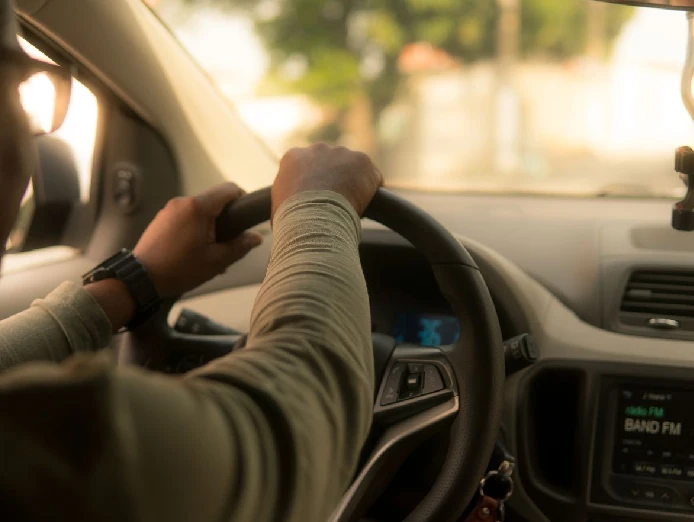
Sometimes, driving over a curb is unavoidable—whether you’re navigating a tight parking space or dealing with a high driveway. If you have to do it, follow these steps to minimize damage:
- Go Slow – Approach the curb at a low speed to reduce the impact on your tires and suspension.
- Hit It Head-On – If possible, drive straight over the curb instead of at an angle. This distributes the force evenly and prevents unnecessary strain on one side of your vehicle.
- Use a Steady Throttle – Apply light and consistent pressure on the gas pedal to ease over the curb without jerky movements.
- Avoid Sharp Turns – Turning the wheels while going over a curb increases the risk of alignment issues and uneven tire wear.
Why Driving Over Curbs Can Cause Big Problems
A curb check might seem minor, but it can cause major problems for your car. From tire damage from a curb to misalignment and suspension issues, the risks aren’t worth ignoring. The next time your car hits a curb, take a few minutes to inspect for damage and, if needed, get a professional inspection. Your safety, your car’s longevity, and your wallet will all thank you in the long run.