June 7, 2024

In the aftermath of a car accident or when facing vehicle damage, understanding the intricacies of the car insurance claim process is crucial. It’s a pathway that many drivers may find themselves navigating at some point, yet it remains an aspect of car ownership that can quickly become overwhelming without the right guidance. This blog article is designed to shed light on the essential requirements and steps involved in filing a car insurance claim, aiming to demystify the process and equip you with the knowledge needed to handle it with confidence. Working closely with a reliable Auto Body Shop can also help streamline the process and ensure all necessary repairs are documented and addressed.
Whether it’s a minor fender bender or a more significant collision, knowing what your insurance policy covers, the documentation you need to gather, and the deadlines you need to meet can make all the difference in how efficiently and effectively your claim is processed. From the initial moment of impact to the final resolution of your claim, this guide will walk you through each critical stage, providing insights into how to navigate the complexities of the insurance landscape. With the right preparation and understanding, the car insurance claim process can be approached with less anxiety and more assurance, ensuring you’re back on the road as swiftly and smoothly as possible.
Navigating Car Insurance Claims
Dealing with car insurance claims can be complex and overwhelming, particularly in the aftermath of an incident. Having a clear understanding of the process, your rights, and the necessary steps is crucial for a smooth resolution. Navigate each stage of the car insurance claim process with confidence, from understanding your policy to preventing future claims.

Restoring Leather Car Seats
Section 1: Understanding Your Policy
Understanding the intricacies of your insurance policy is fundamental to making the most out of it. Common insurance terms such as “deductible,” “premium,” and “liability,” and various coverage types like collision, comprehensive, and liability coverage can often seem confusing. However, a clear grasp of these terms and what your policy covers can significantly impact your decisions when filing a claim. It’s vital to review your policy details regularly and ensure you understand the extent of your coverage, any exclusions, and the process for filing a claim. This knowledge not only prepares you for when an incident occurs but also helps you make informed decisions about the coverage levels you need.
Section 2: Immediate Steps After an Incident
The moments following an incident are critical. Ensuring the safety of all parties involved should always be a priority. Once safety is assured, gathering evidence at the scene becomes crucial. This includes taking photos of the damage, collecting witness statements, and obtaining a police report if applicable. For cases involving impaired driving, completing an MVD alcohol screening may also be necessary to meet legal requirements. Proper documentation, including this screening when applicable, forms the foundation of your claim and aids in a smoother claims process.
Section 3: Contacting Your Insurance Provider
Notifying your insurer about an incident promptly is essential. The sooner you contact your insurance provider, the sooner they can begin processing your claim. When making this initial call, be prepared to provide key information about the incident, including when and where it occurred, what happened, and any damages or injuries incurred. Having your policy number handy will also facilitate a smoother communication process. This early engagement with your insurer sets the stage for the claims process and allows them to offer immediate assistance if needed.
Section 4: Documentation and Evidence Collection
For a successful claim, compiling a comprehensive array of documents is necessary. This list often includes a police report, repair estimates, and any medical records if injuries were involved. In certain cases, having access to official filings, such as a UCC filing statement, can also be important—particularly when verifying ownership or financial interest in a vehicle. Organizing these documents effectively can expedite your claim. Keep original copies in a safe place and consider creating digital backups. Chronologically ordering your documents and clearly labeling them can also aid in presenting your case clearly and efficiently to your insurer.
Section 5: The Claims Adjuster’s Role
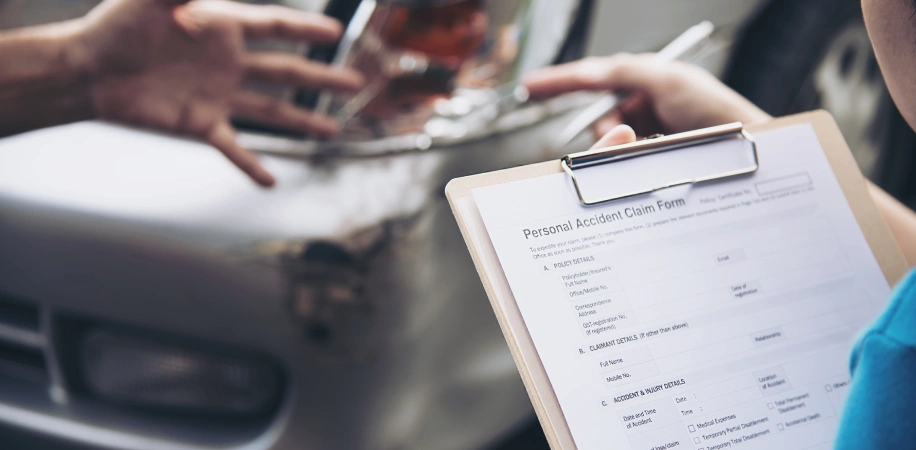
An insurance adjuster is tasked with evaluating your claim to determine the insurer’s liability. They inspect the damage, review documentation, and calculate the cost of repairs or replacement. Preparing for the adjuster’s visit involves having all related documents and evidence readily available for their assessment. Understand that while adjusters work for the insurance company, clear and honest communication can help ensure your claim is fairly evaluated. Having detailed repair estimates from an Auto Body Shop can support your case.
Section 6: Repair Process
Selecting a reputable repair shop is crucial if your claim involves repairing damage. Many insurance companies have a network of approved service providers, which can simplify the process. Understanding how repair costs are estimated involves knowing the extent of the damage and the price of parts and labor required for repair. Your insurance company will review and approve these estimates before repairs can commence, ensuring costs are covered according to your policy. Choosing a certified Auto Body Shop ensures high-quality repairs and adherence to industry standards.
Section 7: Settlement and Dispute Resolution
Settlements are determined based on the damage assessment, your coverage, and policy limits. If you believe the settlement offer does not adequately cover your losses, it’s important to communicate this to your insurer. Providing additional documentation or evidence can support your case for a higher settlement. Many insurance policies include mechanisms for dispute resolution, such as arbitration or mediation, to resolve such disagreements.
Section 8: Preventing Future Claims
Preventing future claims starts with responsible behavior, such as practicing safe driving and performing regular maintenance on your vehicle. These actions can significantly reduce the risk of incidents. Additionally, regularly reviewing and updating your insurance coverage ensures that you remain adequately protected as your circumstances change. Being proactive in these areas can not only help avoid future claims but also potentially lower your insurance premiums.
The car insurance claim process is a structured journey that demands careful attention at every turn to guarantee a seamless resolution. It begins with the immediate reporting of the accident to your insurance company, followed by thorough documentation of all damage and the collection of vital evidence. Each step is crucial in determining the success of your claim. A deep understanding of your policy’s coverage, adherence to all deadlines, and clear communication with everyone involved are key elements that contribute to effectively navigating the claim process.
Armed with the right information and a clear understanding of the procedure, you can approach the car insurance claim process with confidence. Remember, knowledge is power—being informed not only prepares you for what lies ahead but also empowers you to advocate for your rights and ensure fair treatment. With this guide as your resource and the support of a trusted Auto Body Shop, you’re better equipped to navigate the complexities of car insurance claims, making the journey from incident to resolution a more manageable and less intimidating experience.