January 23, 2025
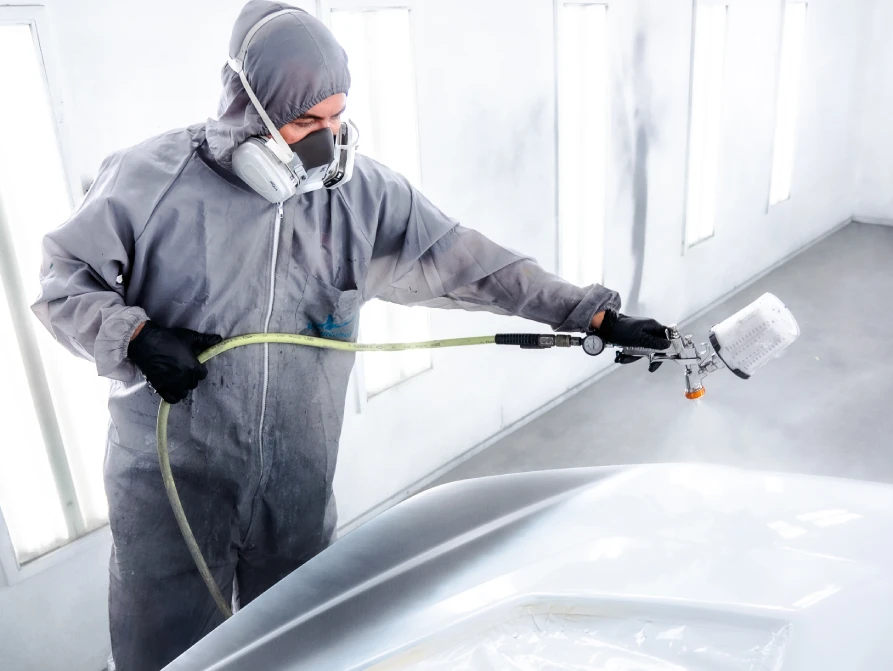
If you’ve had an accident or noticed some unsightly scratches on your car, you’re probably considering an auto body repair shop to restore it. One of the most crucial steps is the entire paint process for the car. A fresh coat of paint gives your car a renewed look and protects it from further damage. Ever wondered how this process works? We’ll break down the process so you can understand what’s involved and why it’s important for maintaining your vehicle’s value.
The Importance of the Paint Process for Car
Before we dive into the details, it’s important to understand why the paint process for car repair is so vital. Auto body paint isn’t just about making your car look good; it’s also about protecting it. The right paint job seals your vehicle from environmental factors like moisture, dirt, and harmful UV rays. This process helps prevent rust and corrosion, which can damage your car over time. Now, let’s explore the steps involved in this essential repair process.
Step 1: Preparing the Surface for a Flawless Paint Job

The first step in any professional auto-painting job is proper surface preparation. Whether you’ve got a few small dents or major damage, the surface must be clean, smooth, and free of contaminants. Here’s how it’s done:
- Cleaning: The car is washed thoroughly to remove dirt, grease, and any other debris that could interfere with the paint application.
- Sanding: The damaged area is carefully sanded down. For rough edges, fine-grain sandpaper and sanding pens when needed. This is especially important if there’s any old paint that needs to be removed or if there’s rust present. Sanding creates a smooth surface for the new paint to stick.
- Masking: Before moving on to the paint application, areas that shouldn’t be painted, like windows, mirrors, tires, and trim, are carefully masked off. Technicians use masking tape and plastic sheeting to cover these parts, protecting them from overspray. Proper masking ensures a clean output when they paint a car.
- Priming: After sanding, a primer is applied. Primer acts as a bonding agent for the paint, ensuring it sticks properly and lasts longer. It also helps seal the surface, providing an additional layer of protection.
Step 2: Choosing the Right Paint
The next crucial element of the auto body paint process is choosing the correct paint. This isn’t as simple as picking a color from a catalog – there are several factors to consider:
- Color Matching: If you’re having a repair done to a specific part of your car, it’s essential to match the paint to the rest of the car’s color. An auto body paint shop uses special tools to ensure the new paint matches perfectly.
- Type of Paint: Modern auto body shops typically use either water-based or solvent-based paints. Water-based paints are more eco-friendly, while solvent-based paints are known for their durability and finish quality.
- Clear Coat: After the color coat is applied, a clear coat is added to give your car that glossy finish and extra protection against environmental damage.
Step 3: The Process of Painting the Vehicle
Once everything is prepared and the right paint is chosen, it’s time to start the actual painting process. This step can vary slightly depending on the auto body paint and repair shop, but it typically involves the following:
- Spraying the Paint: Using a spray gun, the paint is applied to the vehicle in thin, even layers. Each layer must dry before the next is applied to prevent runs and ensure a smooth finish.
- Drying Time: After the color coats are applied, the car needs to be left to dry for a specific amount of time. This can take several hours or even a day, depending on the paint and weather conditions. Some auto body paint shops use specialized booths with controlled environments to speed up this process.
Step 4: Buffing and Polishing

After the paint has completely dried, the process concludes with buffing and polishing. This step ensures that the paint job looks flawless and smooth, free from imperfections. The buffing process helps to remove any small bumps or imperfections, leaving the surface looking brand new.
- Buffing: A machine buffer is used to polish the surface, which helps remove any small imperfections or excess paint.
- Polishing: After buffing, the car is polished to restore its shine and add an extra layer of protection to the paint.
Step 5: Final Inspection of the Car Paint Job and Delivery
Before your car is returned to you, the auto body paint and repair shop conducts a thorough inspection. The entire surface is checked for imperfections like bubbles, uneven paint, or flaws in the finish. If anything doesn’t meet the high standards, it will be addressed immediately. The paint job is also tested for durability, so it lasts and looks great over time. Once everything is flawless, your car will be cleaned and ready for delivery, looking as good as new and ready to hit the road.
Why Choose a Professional Car Paint and Body Shop?
When it comes to the paint process for car repairs, it’s essential to trust the experts. A professional auto body shop not only has the right equipment but also the experience to ensure that your car gets the best treatment. Here’s why choosing an experienced car paint and body shop is important:
- Expert Color Matching: Professionals have the tools to match your car’s color perfectly, whether it’s a solid color or a metallic shade.
- Quality Products: A reputable shop uses high-quality paints and materials that ensure durability and a long-lasting finish.
- Time and Expertise: Skilled technicians know how to handle the entire process efficiently, ensuring that your car is in great shape without unnecessary delays.
When to Book an Appointment for Auto Body Paint Repair
If you’ve noticed any of the following issues, it might be time to consider visiting a professional car body shop for repairs:
- Chips and Scratches: Minor chips and scratches can often be repaired with a touch-up, but if they’re too deep, a full paint job might be necessary.
- Dents and Dings: If your vehicle has dents or dings that are affecting the paint, it’s important to get these addressed to prevent further damage. If you also need car frame repair, consider visiting a reputable auto body repair shop to handle all aspects of the repair.
- Rust: Rust can start small, but it spreads quickly. If left untreated, it can weaken the structure of your vehicle.
Ready for a Fresh Coat of Paint?
Whether your car needs repairs after an accident or just a touch-up, the paint process for car repair is the solution. From preparation to final polishing, every step ensures that your car leaves the shop looking and performing at its best. If you’re looking for a trusted auto body paint shop, Scottsdale Collision Center is here to help. Our experienced technicians specialize in auto body paint and repair and can restore your car’s finish to perfection.
Ready to give your automotive vehicle the makeover it deserves? Book an appointment with us today. Or give us a call now to learn more about our services and how we can help you with your next auto body paint and repair job.