June 21, 2024

Regular maintenance and repair are essential for the longevity and reliability of your vehicle, akin to how regular check-ups keep a person healthy. Consistent care ensures minor issues don’t escalate into major problems, saving you money in the long run while keeping your vehicle safe and dependable on the road. However, the multitude of service options available, from dealership service departments to independent garages, makes finding a trustworthy and high-quality repair shop a significant challenge.
The difficulty lies not just in finding a shop that offers top-notch service at reasonable prices, but also in locating one with experienced technicians capable of accurately diagnosing and fixing issues specific to your vehicle’s make and model. With so many choices in today’s saturated market, distinguishing between genuine skill and simple salesmanship has never been more crucial.
Understanding Different Types of Car Repair Shops
When it comes to maintaining and repairing your vehicle, choosing the right type of auto repair shop is crucial. Each type of garage offers a unique set of services, expertise, and benefits. Here’s a breakdown of the different types of car repair shops you might consider.

Dealership Service Departments: Advantages and disadvantages.
Dealership service departments are directly affiliated with car manufacturers and specialize in the brand’s vehicles. One of their biggest advantages is that technicians are specifically trained and updated on the latest car models and technologies of that brand, ensuring high-quality service. Dealerships also use the original equipment manufacturer (OEM) parts, guaranteeing compatibility and quality. However, these benefits often come with a higher price tag compared to other types of repair shops. Additionally, dealerships might not offer the same level of personal attention as smaller garages.
Chain Repair Shops: What to expect in terms of services and costs.
Chain repair shops, recognizable by their national or regional presence, offer a standardized list of services across all locations. They are typically more affordable than dealership service departments and often have convenient locations and hours. Chain shops can be a good choice for routine maintenance and common repairs. However, the quality of service can vary significantly from one location to another, and technicians may not have the specialized knowledge of certain makes and models that dealerships or specialty shops possess.
Independent Repair Shops: Highlighting their flexibility and potential for personalized service.
Independent repair shops are privately owned businesses that often pride themselves on providing personalized service. Without the overhead associated with chain shops and dealerships, they can also offer more competitive pricing. Many drivers develop long-term relationships with their independent mechanics, who get to know their car’s history and can provide tailored advice and service. However, the quality and range of services can vary widely, so it’s important to find a reputable shop with experience in your vehicle’s make and model.
Specialty Shops: Focused on specific car makes, models, or types of repairs.
Specialty shops concentrate on a particular aspect of car repair, such as transmissions, brakes, or a specific make and model of the vehicle. This focus allows them to offer exceptional expertise and often quicker turnaround times for the services they specialize in. If your car requires a specific type of repair or if you own a luxury or uncommon vehicle, a specialty shop might provide the best service. However, their specialized nature means you may need to visit other repair shops for different types of maintenance and repairs.
Key Factors to Consider When Choosing a Car Repair Shop
When it comes to choosing a car repair shop, making an informed decision is crucial for ensuring quality service and value for money. Several key factors can influence your choice, from the technical qualifications of the staff to the shop’s reputation and customer service standards. Here’s a breakdown of essential aspects to consider.
Certifications and Qualifications
Importance of ASE (Automotive Service Excellence) certifications.
ASE certifications are a hallmark of professionalism in the automotive repair industry. Shops that boast ASE-certified technicians demonstrate a commitment to excellence and ongoing professional development. These certifications indicate that the mechanics have passed rigorous exams and have a proven level of expertise in various areas of auto repair.
Other relevant certifications and training.
Beyond ASE certification, look for shops that encourage or require their technicians to undergo additional training and earn certifications from manufacturers or other automotive organizations. This continuous learning ensures they stay up-to-date with the latest automotive technology and repair techniques.
Reputation and Reviews
Utilizing online review platforms and forums.
Online reviews on platforms like Yelp, Google, and specialized automotive forums can provide valuable insights into a shop’s quality of service, customer experience, and reliability. Pay attention to both positive and negative reviews and how the shop responds to complaints.
Word-of-mouth recommendations.
Personal recommendations from friends, family, or colleagues can be incredibly helpful. They can share firsthand experiences of the quality of repairs, customer service, and whether the shop stood behind its work.
Experience with Your Car Model
The value of choosing a shop experienced with your specific make and model.
A repair shop familiar with your vehicle’s make and model can offer more accurate diagnostics, and better-quality repairs, and might even complete the job faster. This expertise is especially important for luxury, exotic, or older vehicles that may require specialized knowledge or parts.
Warranty and Guarantees
Understanding the importance of repair warranties.
A reputable shop will stand behind its work by offering warranties on repairs. These guarantees give you peace of mind and protection should anything go wrong after the service.
Questions to ask about warranty terms.
It’s important to understand the specifics of the warranty offered, including its duration, what it covers, and any exclusions. Clarify these details before agreeing to any repairs.
Transparency and Customer Service
Importance of clear communication and upfront pricing.
A trustworthy shop will explain the necessary repairs in detail, provide a clear and comprehensive estimate, and obtain your approval before proceeding with any work. Transparency in pricing and communication is key to building a good relationship between the shop and the customer.
Evaluating the shop’s customer service approach.
Note how the staff treats you and other customers. Good customer service includes being respectful, attentive, and willing to answer any questions you might have about the repair process.
Location and Convenience
Considerations regarding the shop’s location and its convenience.
The shop’s location can affect your decision, especially if you need to leave your car for repairs. Choosing a conveniently located repair shop simplifies logistics, especially when coordinating towing services to transport your vehicle. For reliable assistance, an Arizona towing company can ensure safe and prompt delivery of your vehicle to the repair shop of your choice. Consider whether the shop offers a shuttle service, loaner cars, or a convenient public transportation link.
Price Comparisons
How to approach price comparisons without compromising quality.
Although cost is a significant consideration, it should not be the only factor in selecting a repair shop. It’s wise to obtain multiple quotes for comparison purposes. However, also take into account the reputation of the shop, the quality of parts they use, and the guarantees they provide. Investing a little more initially can often lead to savings and fewer complications down the line.
Choosing the right car repair shop is crucial for your vehicle’s health and your peace of mind. It’s important to consider factors like technician certifications, shop reputation, experience with your car model, warranties offered, transparency, customer service, location convenience, and fair pricing. Taking time to research and select a shop that meets your needs ensures quality care for your car. A good selection leads to reliable, efficient, and cost-effective maintenance and repairs, enhancing your vehicle’s performance and your driving experience.
Disadvantages of DRP Shops
DRP (Direct Repair Program) shops operate under agreements with insurance companies, which can sometimes limit the repair options available to the customer. These limitations might arise because insurance providers often have specific guidelines on repair methods, parts to be used, and cost controls, which can restrict the shop’s ability to tailor services to each customer’s preferences. Furthermore, there is a perception among some consumers that DRP shops prioritize the interests of the insurance company over those of the client. This concern stems from the belief that the close relationship between the shop and the insurer could influence the shop to opt for cost-saving measures that might not always align with the best interest of the vehicle or owner, potentially compromising the quality of the repair work.
Making the Right Choice for Your Car
When it comes to selecting the right repair shop for your vehicle, the decision between an independent auto body shop and a Direct Repair Program (DRP) shop can significantly impact not only the quality of repair but also your overall satisfaction and expenses. The choice should be carefully considered, weighing various factors that align with your specific needs, preferences, and circumstances. Understanding the nuances between these two options is crucial in making an informed decision that ensures your vehicle receives the best care possible while also managing costs and convenience.
Factors to Consider When Choosing Between an Independent Shop and a DRP
- Type of Damage and Repair Needed: The nature and extent of the damage can influence the choice of the repair shop. Complex repairs or those requiring specialized knowledge may benefit from the personalized attention and expertise found at certain independent shops. Conversely, DRP shops, with their streamlined processes and direct connections with insurance companies, might be better suited for more straightforward or common repair jobs.
- Insurance Coverage and Out-of-Pocket Expenses: Your insurance policy’s specifics can play a significant role in this decision. DRP shops typically have arrangements with insurance companies that might result in lower out-of-pocket costs and less paperwork for you. However, it’s essential to consider the long-term implications of insurance premiums and the potential for higher costs down the line. Independent shops, while potentially requiring more direct involvement with insurance claims, can offer competitive pricing and transparency in billing.
- Personal Preferences Regarding Service and Relationship with the Mechanic: The level of service and the relationship you wish to have with your mechanic is another critical factor. Independent shops often provide a more personalized experience, allowing for a closer relationship with the mechanic and a greater sense of involvement in the repair process. This can be particularly valuable for those who prioritize trust and direct communication. In contrast, DRP shops might offer a more standardized service experience, which could appeal to customers looking for efficiency and convenience.
After careful deliberation, the decision between an independent shop and a DRP shop involves weighing these factors. By evaluating the type of damage, insurance coverage, personal preferences, and desired relationship with the mechanic, car owners can choose to best suit their unique needs and ensure their vehicle is in good hands at the right Auto Body Shop.
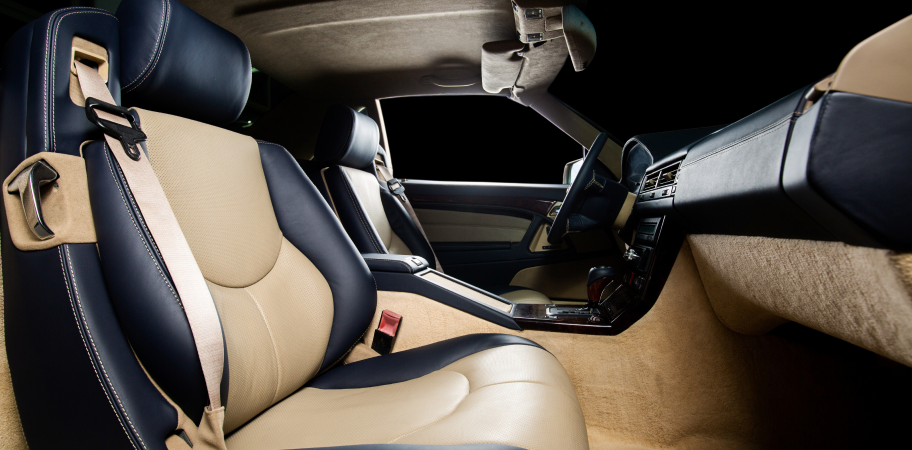
Repairing Tears Large Holes In Leather Car Seats
Large holes are the most difficult repair to perform on leather car seats, but with knowledge and a delicate hand, they can still be patched up. Here’s are the steps:
- Don’t Forget the CleaningSimilarly to the other two repairs, ensure you start the processes with a thorough cleaning.
- Using a Similar Leather Piece To repair a larger hole, a piece of leather similar to the original upholstery is required. When looking for the right leather, focus on the texture and color of the to ensure it matches the old leather as closely as possible.
- Cutting the New Leather The new leather piece will be used to cover the hole, and must be cut appropriately for this task. The cutout should be slightly bigger than the hole.
- Pasting the Cutout A strong leather adhesive will be used to fix the cutout over the hole. The cutout must be placed carefully to ensure the entire hole is covered. Keep in mind that the adhesive must also be allowed to dry before taking further steps.
- Filing Down The Cutout After the adhesive dries fully, you can begin the final step. To finish the process and match the cutout to the leather seat, it must be filed down. Areas at the edges of the cutout will be rubbed out and receive a mild brushing. This ensures a smooth transition between the old and new leather, and removes edges that might stick out otherwise.
- Final Touches If the color and texture between the two different leather pieces is off, you can remedy this through dyeing and shine restoration processes.
Bring Your Vehicle To An Auto Body Shop
If your vehicle’s leather seats are damaged, consider heading to a reliable auto body shop to address the issue.
Body shops like SCC are well equipt to handle even the toughest tears and holes. Instead of growing frustrated because the tools you bought aren’t working right, or because the color of your repairs isn’t matching the old leather, you can rely on the experts. SCC’s professionals possess all the necessary equipment and expertise to breathe new life into your seats without causing unnecessary damage.
Plus, if you have any other cosmetic concerns you’d like to address, you can trust us to take care of them. Your car’s interior will look better than ever, without you having to waste your precious time and money on imperfect repairs.
Leather Car Seat Repair
Frequently Asked Questions
SCC Is Your One-Stop Shop For Leather Seat Repairs
If your vehicle has damaged or worn-out leather seats, you can benefit from our services. Our auto body professionals at Scottsdale Collision Center have extensive experience repairing and refinishing anything from small scratches to massive holes.
Our customer service is unmatched, and we’ll walk you through the leather seat repair process every step of the way.
You can visit our website, contact us at (602) 777-7921 and estimates@scottsdalecollisionaz.com, or visit one of our repair shop locations.