July 12, 2024
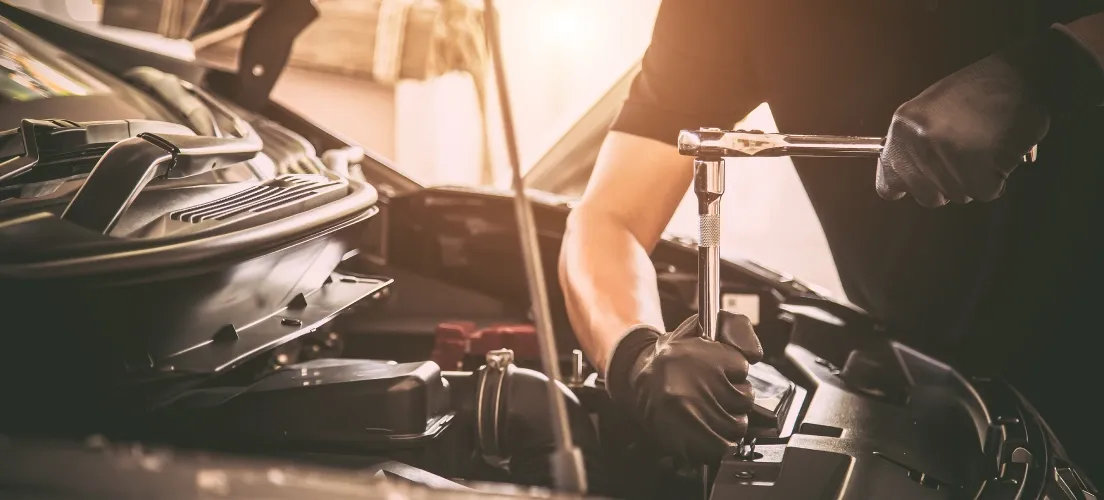
In the life of every vehicle, the need for body car repair is almost inevitable. Whether it’s due to an accident, weather damage, or just wear and tear of daily driving, dents, scratches, and more serious damage can mar a vehicle’s appearance and functionality. Restoring a vehicle to its former glory not only requires technical skill but also an understanding of the best approach to take, which often depends on the type of Auto Body Shop you choose.
When it comes to repairing your car, there are primarily two types of body repair shops to consider: Independent Body Car Repair Shops and Direct Repair Program (DRP) Shops. Each type offers distinct advantages and potential drawbacks, influenced by factors such as cost, turnaround time, the quality of service, and the relationship with insurance companies. Understanding the differences between these two options is crucial for car owners seeking the best repair solution for their needs.
Understanding Independent Body Car Repair Shops
Independent body car repair shops stand as privately owned entities, functioning without any direct ties to insurance companies or car manufacturers. Their standout trait lies in their independence, enabling them to deliver a wide range of services specifically designed to cater to the individual needs of their clients. Unlike Direct Repair Program (DRP) shops, constrained by their obligations to insurance companies, independent shops have the freedom to make decisions that they believe are in the best interest of both the vehicle and its owner, free from any contractual ties. This independence allows them to operate without the need to conform to the policies and directives of any external organizations.
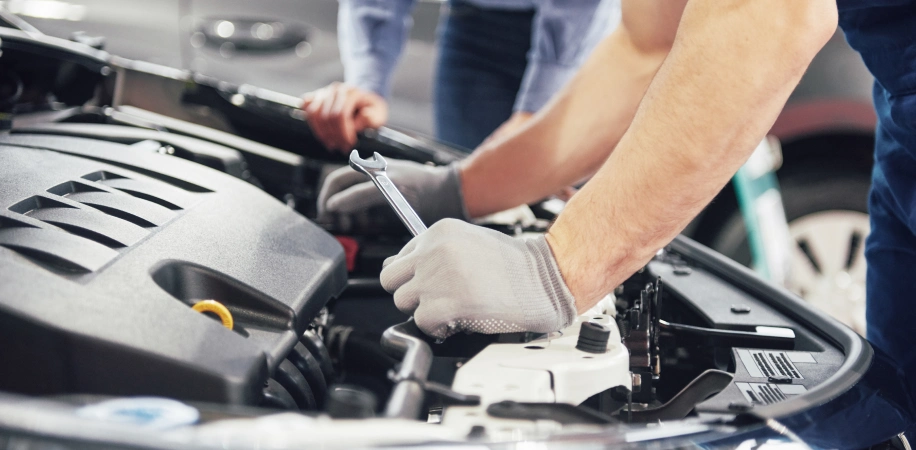
Advantages of Choosing an Independent Shop
Personalized Service
Choosing an independent repair shop comes with the notable benefit of receiving highly personalized service. Freed from the restrictions imposed by corporate rules or agreements with insurance companies, these independent establishments can cultivate closer relationships with their clientele. This closer rapport allows for a better grasp of each customer’s specific needs and desires, ensuring that the service offered is customized to suit the individual, rather than applying a generic, one-size-fits-all solution.
Flexibility in Parts and Repair Options
Independent shops also offer the advantage of versatility in parts and repair methodologies. Unconstrained by any contracts that might restrict the utilization of specific components or techniques, these establishments provide customers with the freedom to select from OEM (Original Equipment Manufacturer) parts, aftermarket alternatives, or even pre-owned parts based on their financial capacity and personal preference. Furthermore, these shops can present an array of repair options that could more accurately address the particular type of damage or align with the customer’s budgetary constraints.
Potentially Lower Costs
Without the overhead costs associated with being part of a larger network or the need to adhere to pricing structures dictated by insurance companies, independent body car repair shops often can offer more competitive pricing. This potential for lower costs does not necessarily mean a compromise in the quality of work; many independent shops pride themselves on delivering high-quality repairs at a more affordable price point. This cost-saving advantage can be particularly appealing for those paying out of pocket or looking to avoid higher insurance premiums resulting from claims through a DRP shop.
Disadvantages of Independent Shops
One significant drawback of independent repair shops is their lack of direct affiliation with insurance companies. This can lead to a more complicated and potentially longer process for customers filing insurance claims for repairs. Without a streamlined communication and approval process between the shop and insurance providers, there might be delays in getting the necessary work authorized and completed. Additionally, independent shops may not always have access to the latest repair technology and equipment. While many independent shops strive to stay up-to-date, the financial investment required for cutting-edge technology can be a barrier, potentially affecting the range of services they offer or the efficiency with which they can complete complex repairs.
Exploring Direct Repair Program (DRP) Shops
Direct Repair Program (DRP) shops operate under agreements with insurance companies to provide repair services for insured vehicles. These arrangements allow for a more streamlined connection between the repair shop and the insurer, which can facilitate the repair process for the vehicle owner. DRP shops comply with specific standards set by the insurance companies, ensuring a level of consistency and reliability in the repairs conducted under these programs. These programs are designed to streamline the repair process, though opinions on their overall impact can vary within the industry.

Advantages of using a DRP shop
Streamlined Insurance Claims Process
One of the most significant benefits of using a DRP shop is the expedited claims processing experience. Since these shops have a direct line of communication with insurance companies, many of the bureaucratic hurdles typically associated with car repairs can be minimized or eliminated. This direct relationship can significantly reduce the time it takes to get approval for repairs, allowing vehicle owners to get their cars back faster.
Guaranteed Work Quality
An additional benefit is the assurance of work quality, as shops participating in DRP programs are required to adhere to stringent criteria established by insurance providers. These criteria aim to guarantee that all repair work is conducted accurately and securely, reassuring car owners about the competence of the shop handling their vehicle. Although no system is flawless, the scrutiny from insurance companies aids in upholding a uniform standard of repair quality for services rendered under DRP agreements.
Access to the Latest Technology and Training
DRP shops often have access to the latest technology and training. Insurance companies have a vested interest in ensuring that the shops in their networks are well-equipped and knowledgeable. This means that DRP shops are more likely to use the latest repair technologies and techniques, which can lead to better outcomes for your vehicle. Additionally, technicians at DRP shops typically receive ongoing training to stay up-to-date with the automotive industry’s evolving standards and practices, ensuring they can handle a wide range of repair needs efficiently and effectively.
Disadvantages of DRP Shops
DRP (Direct Repair Program) shops operate under agreements with insurance companies, which can sometimes limit the repair options available to the customer. These limitations might arise because insurance providers often have specific guidelines on repair methods, parts to be used, and cost controls, which can restrict the shop’s ability to tailor services to each customer’s preferences. Furthermore, there is a perception among some consumers that DRP shops prioritize the interests of the insurance company over those of the client. This concern stems from the belief that the close relationship between the shop and the insurer could influence the shop to opt for cost-saving measures that might not always align with the best interest of the vehicle or owner, potentially compromising the quality of the repair work.
Making the Right Choice for Your Car
When it comes to selecting the right repair shop for your vehicle, the decision between an independent auto body shop and a Direct Repair Program (DRP) shop can significantly impact not only the quality of repair but also your overall satisfaction and expenses. The choice should be carefully considered, weighing various factors that align with your specific needs, preferences, and circumstances. Understanding the nuances between these two options is crucial in making an informed decision that ensures your vehicle receives the best care possible while also managing costs and convenience.
Factors to Consider When Choosing Between an Independent Shop and a DRP
- Type of Damage and Repair Needed: The nature and extent of the damage can influence the choice of the repair shop. Complex repairs or those requiring specialized knowledge may benefit from the personalized attention and expertise found at certain independent shops. Conversely, DRP shops, with their streamlined processes and direct connections with insurance companies, might be better suited for more straightforward or common repair jobs.
- Insurance Coverage and Out-of-Pocket Expenses: Your insurance policy’s specifics can play a significant role in this decision. DRP shops typically have arrangements with insurance companies that might result in lower out-of-pocket costs and less paperwork for you. However, it’s essential to consider the long-term implications of insurance premiums and the potential for higher costs down the line. Independent shops, while potentially requiring more direct involvement with insurance claims, can offer competitive pricing and transparency in billing.
- Personal Preferences Regarding Service and Relationship with the Mechanic: The level of service and the relationship you wish to have with your mechanic is another critical factor. Independent shops often provide a more personalized experience, allowing for a closer relationship with the mechanic and a greater sense of involvement in the repair process. This can be particularly valuable for those who prioritize trust and direct communication. In contrast, DRP shops might offer a more standardized service experience, which could appeal to customers looking for efficiency and convenience.
After careful deliberation, the decision between an independent shop and a DRP shop involves weighing these factors. By evaluating the type of damage, insurance coverage, personal preferences, and desired relationship with the mechanic, car owners can choose to best suit their unique needs and ensure their vehicle is in good hands at the right Auto Body Shop.
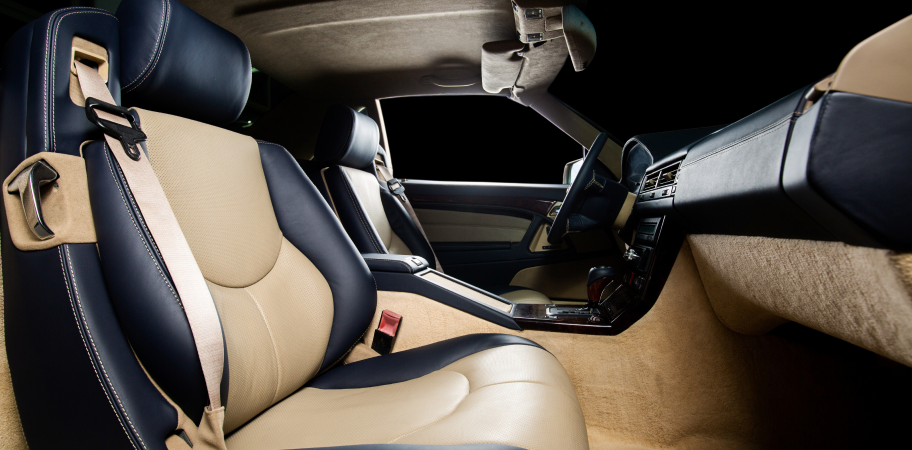
Repairing Tears Large Holes In Leather Car Seats
Large holes are the most difficult repair to perform on leather car seats, but with knowledge and a delicate hand, they can still be patched up. Here’s are the steps:
- Don’t Forget the CleaningSimilarly to the other two repairs, ensure you start the processes with a thorough cleaning.
- Using a Similar Leather Piece To repair a larger hole, a piece of leather similar to the original upholstery is required. When looking for the right leather, focus on the texture and color of the to ensure it matches the old leather as closely as possible.
- Cutting the New Leather The new leather piece will be used to cover the hole, and must be cut appropriately for this task. The cutout should be slightly bigger than the hole.
- Pasting the Cutout A strong leather adhesive will be used to fix the cutout over the hole. The cutout must be placed carefully to ensure the entire hole is covered. Keep in mind that the adhesive must also be allowed to dry before taking further steps.
- Filing Down The Cutout After the adhesive dries fully, you can begin the final step. To finish the process and match the cutout to the leather seat, it must be filed down. Areas at the edges of the cutout will be rubbed out and receive a mild brushing. This ensures a smooth transition between the old and new leather, and removes edges that might stick out otherwise.
- Final Touches If the color and texture between the two different leather pieces is off, you can remedy this through dyeing and shine restoration processes.
Bring Your Vehicle To An Auto Body Shop
If your vehicle’s leather seats are damaged, consider heading to a reliable auto body shop to address the issue.
Body shops like SCC are well equipt to handle even the toughest tears and holes. Instead of growing frustrated because the tools you bought aren’t working right, or because the color of your repairs isn’t matching the old leather, you can rely on the experts. SCC’s professionals possess all the necessary equipment and expertise to breathe new life into your seats without causing unnecessary damage.
Plus, if you have any other cosmetic concerns you’d like to address, you can trust us to take care of them. Your car’s interior will look better than ever, without you having to waste your precious time and money on imperfect repairs.
Leather Car Seat Repair
Frequently Asked Questions
SCC Is Your One-Stop Shop For Leather Seat Repairs
If your vehicle has damaged or worn-out leather seats, you can benefit from our services. Our auto body professionals at Scottsdale Collision Center have extensive experience repairing and refinishing anything from small scratches to massive holes.
Our customer service is unmatched, and we’ll walk you through the leather seat repair process every step of the way.
You can visit our website, contact us at (602) 777-7921 and estimates@scottsdalecollisionaz.com, or visit one of our repair shop locations.